



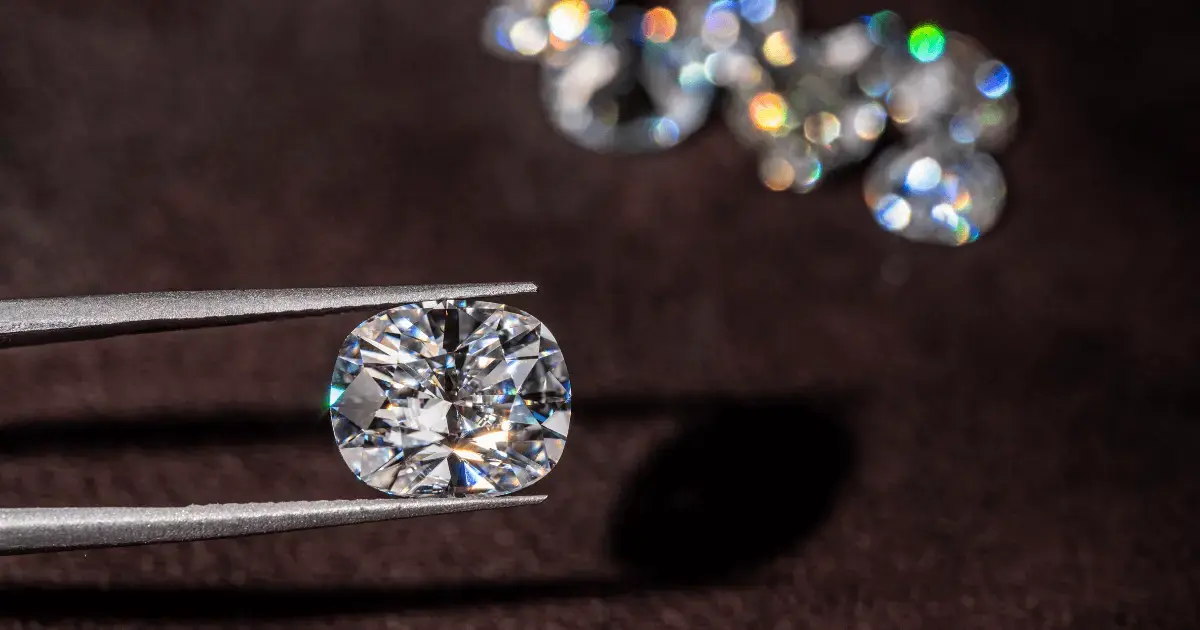


Lab-grown diamonds differ from mined diamonds in their origin. Unlike cubic zirconia, they aren't an imitation — they’re real diamonds that have gained popularity over the last decade. They share the same chemical, physical, and optical properties as their naturally-sourced cousin — and require special equipment to even tell the difference.
If you’re a jewelry store owner who is wary of selling lab-grown diamonds due to the stigma of their perceived inferiority and authenticity, you’d be surprised at how much the negative perception has diminished. In fact, if you’re not selling lab-grown diamonds, you’re missing out on a massive customer base.
The purpose of this blog is to educate you on how lab-grown diamonds are made, dig into their rise in popularity, and provide a step-by-step guide on how to sell lab-grown diamonds in retail.
What Lab-Grown Diamonds?
Lab-grown diamonds are real diamonds. They are graded using the 4 Cs — cut, color, clarity, and carat. Where natural diamonds are formed deep within the earth over millions of years, lab-grown diamonds, as the name implies, are created in a lab where natural conditions can be simulated.
Lab-grown diamonds are formed using two processes: high pressure, high temperature (HPHT), or Chemical Vapor Deposition (CVD). HPHT mimics the Earth’s natural processes, exposing a diamond “seed” to intense pressure and heat, while CVD is sort of like 3D printing with plasma.
For an in-depth view on how they’re formed, there are some great videos on YouTube, including Making Revealed.
Lab Diamonds’ Rise in Popularity
The first lab-grown diamonds hit the market in the 1970s, but they struggled to gain popularity. There are many who believe that diamonds grown naturally over millions of years are more valuable and unique because of their history.
But don't count out lab-grown bling. It has a many key advantages:
- Sustainable: We have a finite supply of natural resources. With lab-grown alternatives, they can be created sustainably — and much more safely than natural gemstones.
- Conflict-free: Diamond mining usually takes place in corrupt, war-torn countries. The mined diamonds are used to further fund war and conflict that decimates populations. Lab-grown stones are completely conflict-free.
- Cost-effective: Consumers can get larger stones for a cheaper price. A lab-grown diamond can also have less inclusions and imperfections when compared to mined stones.
- Customizable: Lab-grown diamonds can be any color you want, or be cut to any shape, to create custom pieces of jewelry.
- Industrial uses: Lab-created diamonds can be used for industrial and manufacturing purposes like cutting and grinding tools, heat sinks, and more.
Now that you have a better understanding of the pros of lab-created stones, here’s a step-by-guide on how to sell them in your jewelry store.

How To Sell Lab-Grown Diamonds: 8 Simple Steps
Selling lab-grown diamonds is not the same as selling natural stones. Remember, diamond jewelry is a big purchase for most consumers. They put a lot of thought and research into such an expensive investment — and they’re trusting you to put their mind (and wallet) at ease and get them over the finish line.
Be sure to follow these steps when selling lab-grown stones in your jewelry store.
1. Determine Your Target Market
Before you start selling, you need to know who you’re selling to. Identify your target market: Are they millennials, eco-conscious consumers, or budget-savvy shoppers?
The price for stones can fluctuate greatly, so look into current market trends to understand the demand for lab-grown diamonds. Check out what your competitors are offering and find your unique angle.
Related Read: [REVEALED] Finding Your Target Market for the Jewelry Industry
2. Find Reliable Suppliers for High-Quality Stones
Quality is everything when it comes to diamonds. Partner with reputable suppliers who can provide high-quality, certified lab-grown diamonds. These steps can help you look for reputable suppliers.
- Do your research on industry standards: Look for suppliers who follow industry standards and have certifications from reputable organizations like the GIA or IGI.
- Check out supplier reviews: Read up on what other customers are saying to get a sense of the supplier’s reputation and reliability.
- Evaluate the product quality: Ask for samples so you can check if their diamonds meet your standards for clarity, cut, color, and carat weight.
- Verify certifications: Make sure the diamonds come with proper certification that proves their authenticity and quality.
- Look at experience and track record: Go for suppliers with a solid track record and plenty of experience in the lab-grown diamond industry.
- Check out the manufacturing process: Find out about the supplier’s methods and tech to ensure they’re using reputable and ethical practices.
- Review warranties and guarantees: See if they offer any warranties or guarantees, which shows they’re confident in their products.
- Compare pricing and terms: Shop around and negotiate pricing and terms with different suppliers to get a good deal without skimping on quality.
- Make sure regulations are followed: Ensure the supplier is compliant with relevant regulations and ethical guidelines.
- Ask for recommendations: Get suggestions from industry professionals or business networks to find trusted suppliers.

3. Define Your Unique Selling Proposition (USP)
What makes your lab-grown diamonds special? Whether it’s competitive pricing, unique designs, or a strong commitment to sustainability, your USP will set you apart from the competition.
Craft a compelling brand story that resonates with your audience. Highlight what makes your diamonds the best choice, and why consumers should choose your jewelry store for their special occasions and gifts to loved ones.
4. Build an Online Presence
Even if you opt not to sell online, it’s still important to have an online presence. Websites are a marketing asset that bring you visibility and inform customers about your business.
You don’t have to be a professional web developer to create a website that’s as stunning as your jewels. Using a solution like Jewel360, you can take advantage of its user-friendly website design to build an online presence that matches your brand. Other benefits include:
- Integration with POS: Modern e-commerce solutions pair perfectly with point of sale (POS) software, making it easy to handle inventory, sales, and customer data both online and offline.
- SEO optimization: You can optimize your website for search engines, boosting your online visibility and drawing in more organic traffic.
- E-commerce capabilities: You can set up your own online store, manage your product listings, and process payments all in one place — making your life easier and giving your customers a smooth shopping experience.
- Customer engagement: Add features like customer reviews, wish lists, and promotional banners to keep visitors engaged and encourage them to come back.
- Mobile responsiveness: Websites made with user-friendly builders (like Jewel360) look great on mobile devices, so your customers will have a seamless experience whether they’re on their phones or tablets.
- Security: E-commerce platforms have built-in security features to protect customer data and ensure safe transactions, which helps build trust with your online shoppers.
Related Read: How To Create a Jewelry Website (& Boost Profits)
5. Market Your Jewelry Like a Pro
Once you’ve built your website, it’s time to spread the word about your lab-grown diamonds with effective marketing strategies.
Use social media platforms to engage with potential customers and build a following. Collaborate with influencers and jewelry bloggers to reach a wider audience. Offer promotions, discounts, and referral programs to attract and retain customers.
You can use social media to educate your customers on the differences between lab-grown and mined stones, show off the jewelry you have, and give customers a more personal view of you and your jewelry business.
6. Provide Top-Tier Customer Service
Happy customers are repeat customers. Offer prompt and helpful customer support, including flexible return and exchange policies. Customization options help make each purchase special.
Ongoing perks, such as free engagement ring and wedding band cleanings for life, are a great way to close deals and keep customers happy as well.
7. Educate Your Customers
Many people are still learning about lab-grown diamonds, so educating your customers can be powerful. Create informative content for your website like blog posts, videos, and FAQs that explain the benefits and value of lab-grown diamonds. Address common misconceptions and concerns. This will build trust and confidence in your products.
Remember, honesty is the best policy! Let customers know the pros and cons to buying lab-grown diamonds. For example, most jewelers accept returns, but will not buy second hand lab-grown stones. When you’re upfront with your customers about the good and the bad, they’re more likely to become repeat customers based on your honesty.
Train your team to be able to educate customers on lab-grown diamonds and answer any questions that arise as well. They should be confident in helping potential buyers make their final decision.
8. Keep Improving Your Retail Strategy
The jewelry market is always evolving, so stay on top of trends and continuously look for ways to improve your retail store.
Track key metrics like online and in-store sales, customer feedback, and website traffic. Use this data to refine your strategies and make informed decisions. Staying adaptable and proactive will help you sell more bling in the long run.
Finally, if selling lab-grown diamonds is a new offering for you, be sure to monitor those sales specifically. A modern jewelry POS solution can help you filter down to specific product sales, solidifying the decision to keep selling lab diamonds or cut ties moving forward.
5 Tactics For Selling Lab-Grown Diamonds
Navigating the growing market for lab-grown diamonds requires more than just a quality product — you need a strategic approach to building trust, pricing competitively, and engaging customers effectively. Here are seven actionable tactics to boost your lab-grown diamond sales and position your business at the forefront of the industry.
1. Build Trust With Customers
Many customers may be uninformed about the quality or value of lab-grown diamonds — this means educating customers is essential for building trust.
You can do this by publishing blogs on your website or social media platforms to highlight the benefits of lab-grown diamonds. In your posts, emphasize topics like ethical production, sustainability, quality, and affordability. You should also address common misconceptions and concerns about synthetic diamonds, including their durability, value, and resale potential.
Remember to provide quality assurance and certifications, too. Lab-grown diamonds are graded on the same criteria as natural diamonds, and certifications from reputable labs boost customer confidence.
2. Set a Competitive Pricing Strategy
When pricing lab-grown diamonds, consider the cost compared to natural diamonds — typically 40% to 50% less for similar quality. Pricing varies by size, cut, color, and clarity. Competitive pricing is crucial for market relevance, but you also need to stay profitable. Optimize production to reduce costs and offer a range of price points to accommodate different budgets.
Consider these pricing models:
- Cost-plus pricing: Based on production costs, plus a markup
- Value-based pricing: Reflects the diamond's perceived value to the customer
- Competitor-based pricing: Aligns with competitors' pricing
You’ll need to factor in production costs, perceived value, and your target market's purchasing power when setting prices.
3. Diversify Your Product Range
Your jewelry store can appeal to more customers by offering a variety of lab-grown diamonds in different shapes, sizes, and colors. This allows customers to choose the perfect product that aligns with their personal aesthetic.
You can offer the option to create custom designs to build customer loyalty and repeat business. You can also diversify your inventory to include various types of jewelry, including bracelets, necklaces, earrings, wedding bands, and engagement rings.
4. Leverage Marketing and Advertising
To sell lab-grown diamonds effectively, you need to craft a memorable brand identity that reflects your values. For example, you can develop a compelling logo, striking color palette, and catchy slogan that embodies your brand.
You can also create content marketing to highlight the features and benefits of lab-grown diamonds, such as quality, affordability, and eco-friendliness. Your jewelry store can offer competitive deals and discounts to attract buyers.
Remember: You can expand your online presence using digital channels like social media, email marketing, and influencer partnerships. Use Google and Facebook Ads to target customers interested in lab-grown diamonds.
It’s key to make sure you’re giving your customers a unique experience.
5. Stay Ahead With Industry Developments
Adopting new technologies is one of the best ways to improve production and efficiency. The diamond industry is evolving with innovations like all-in-one jewelry POS systems, artificial intelligence (AI), augmented reality (AR), and blockchain technology. These tools enable diamond tracking from source to consumer and streamline production processes.
You need to diversify your product offerings to stay competitive in the growing lab-grown diamond market. To offer unique and innovative designs that stand out, collaborate with jewelry designers to stock customized lab-grown diamond designs that meet the needs of your customers’ preferences.
Implementing these tactics allows you to sell lab-grown diamonds and establish your jewelry store as a leader in sustainability and innovation.
Sell Lab-Grown Diamonds with Jewel360’s POS
So there you have it: A solid roadmap for selling lab-grown diamonds and making your mark in this exciting market. By understanding your target audience, finding reliable suppliers, and leveraging a powerful online presence, you're setting your jewelry store up for success. Remember, it's all about showcasing the unique benefits of lab-grown diamonds, providing exceptional customer service, and staying ahead of trends.
If you’re ready to dive in, Jewel360 is here to help you shine bright in the world of selling lab-grown diamonds. Jewel360 can help you build your website, manage complex inventory, connect with customers, manage custom orders and repairs, and protect sensitive customer data while accepting all payment types.
Schedule a free demo to learn how Jewel360 can help your business enter the lab-grown diamond market.